
Chess Piece, Pawn
Unknown Artist
9th–14th century
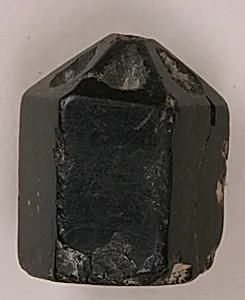
Medium
Jet
Classification
Gaming pieces
Department
Islamic Art
Museum
Metropolitan Museum of Art, New York, NY
Credit
Rogers Fund, 1974
Accession Number
1974.98.1
Rights
Public Domain
Tags
Art Historical Context
This elegant chess pawn, carved from jet during the 9th–14th century, offers a glimpse into the vibrant of Islamic gaming culture at the Metropolitan Museum of Art Originating from the Islamic world—where chess, known as *shatranj*, evolved from ancient Indian chaturanga—these pieces were prized for both recreation and intellectual strategy. Crafted anonymously, this pawn exemplifies the period's mastery of small-scale stone carving, with jet's dense, glossy black lignite lending it a sleek, jewel-like sheen that has endured for over a millennium. Jet, a lightweight yet durable fossilized wood, was a favored medium in Islamic art for its carvability and lustrous polish, often used for talismans, jewelry, and game pieces. The pawn's simple, abstracted form reflects the functional elegance of Islamic decorative arts, prioritizing harmony and precision over ornate figuration, in line with aniconic traditions. Housed in the museum's Islamic Art Department through the Rogers Fund of 1974, this artifact highlights chess's role as a metaphor for life's battles in medieval Islamic society, enjoyed by scholars and caliphs alike. It invites visitors to ponder how such humble gaming pieces bridged entertainment, mathematics, and philosophy across centuries.