
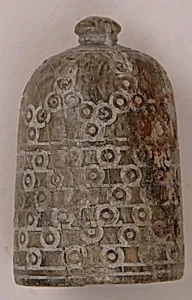
Chess Piece, Pawn
Unknown Artist
8th–9th century
Medium
Ivory
Dimensions
H. 1 1/2 in. (3.8 cm)
Classification
Gaming pieces
Department
Islamic Art
Museum
Metropolitan Museum of Art, New York, NY
Credit
Purchase, Mr. and Mrs. Jerome A. Straka Gift, 1974
Accession Number
1974.208
Rights
Public Domain
Tags
Art Historical Context
This delicate ivory chess pawn, crafted by an unknown artist in the8th–9th, hails from the Islamic world and stands just 1 1/2 inches (3.8 cm) tall. Now housed in the Metropolitan Museum of Art's Department of Islamic Art—thanks to a 1974 purchase funded by Mr. and Mrs. Jerome A. Straka exemplifies the exquisite gaming pieces that accompanied the spread of chess (shatranj in Arabic) across cultures. Chess originated in India around the 6th century, evolving through Persia into the Islamic realms by the 7th century, where it became a beloved intellectual pursuit among scholars and caliphs. This pawn, carved from elephant ivory—a prized, lustrous medium symbolizing luxury and technical mastery—reflects the era's sophisticated lathe-turning techniques. Islamic artisans often produced full sets for elite patrons, blending functionality with artistry in abstract, geometric forms that adhered to aniconic traditions avoiding human figures. Though small, this pawn invites us to ponder the game's cultural weight: a metaphor for strategy, fate, and social hierarchy in medieval Islamic society. Visitors, picture it advancing across an inlaid board under Baghdad's lamplight— a timeless survivor of history's gambits.