
Coin
Unknown Artist
ca. 7th–8th century CE
Medium
Copper
Dimensions
9/16 in. (1.4 cm)
Classification
Metalwork-Coins-Inscribed
Culture & Period
Islamic · early Islamic
Department
Ancient Near Eastern Art
Museum
Metropolitan Museum of Art, New York, NY
Credit
Rogers Fund, 1936
Accession Number
36.30.310
Rights
Public Domain
Art Historical Context
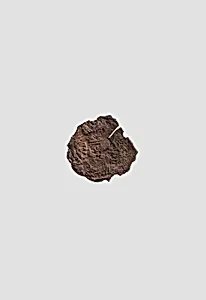
This delicate copper coin, minted around the 7th–8th century CE during the early Islamic period, a tangible glimpse into the dawn of a transformative era in the Ancient Near East. Measuring just 9/16 inch (1.4 cm) in diameter, it belongs to the Metropolitan Museum of's Ancient Near Eastern Art collection, acquired through the Rogers Fund in 1936. As a classified example of inscribed metalwork, its surface likely bears Arabic script—a hallmark of early Islamic coinage that marked a shift from the figural designs of preceding Byzantine and Sasanian traditions. In the formative years of Islam, under the Umayyad and early Abbasid caliphates, coins like this facilitated booming trade across vast empires stretching from Spain to India. Copper denominations, known as *fals*, were everyday currency for common transactions, symbolizing economic vitality and the caliphate's administrative reach. The inscription technique, achieved through precise die-stamping on thin metal blanks, reflects advanced metallurgical skills honed in Mesopotamian workshops, blending practicality with emerging Islamic aesthetics that emphasized calligraphy over imagery. Though the artist remains unknown, this coin's survival underscores the cultural fusion of the time: a bridge between pre-Islamic heritage and the burgeoning Islamic world, where money itself became a medium of faith, governance, and artistry. Visitors, imagine holding a piece of history that circulated in bustling bazaars of Damascus or Baghdad!