
Coin
Unknown Artist
dated A.H. 452/ 1060–61 CE
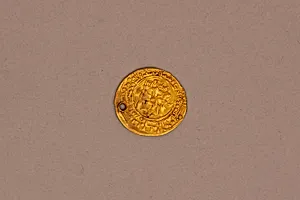
Medium
Gold
Dimensions
Diam. 1 in. (2.5 cm)
Classification
Coins
Department
Islamic Art
Museum
Metropolitan Museum of Art, New York, NY
Credit
Bequest of Joseph H. Durkee, 1898
Accession Number
99.35.2401
Rights
Public Domain
Art Historical Context
This exquisite gold coin, minted in A.H. 452 (1060–61 CE), hails from the Islamic world during a vibrant era of caliphal rule and expanding trade networks. Measuring just 1 inch (2.5 cm) in diameter, it exemplifies the precision of medieval Islamic minting techniques, where hammered gold dinars served as both currency and portable art. Struck with intricate dies, these coins typically featured elegant Kufic calligraphy—angular Arabic script—bearing the date, mint name, and religious phrases like the Islamic testimony of faith, reflecting a deliberate avoidance of figural imagery in line with aniconic traditions. As a artifact in the Metropolitan Museum of Art's Islamic Art department, bequeathed by Joseph H. Durkee in 1898, this coin offers a tangible glimpse into 11th-century economic life. Gold dinars were the gold standard of medieval Mediterranean trade, circulating from North Africa to Central Asia and influencing Byzantine and Crusader economies. Beyond commerce, they functioned as historical records, preserving details of rulers and workshops that might otherwise be lost. For visitors, it whispers stories of artisans' skill and the interconnected Islamic golden age.