
Coin
Unknown Artist
758–68
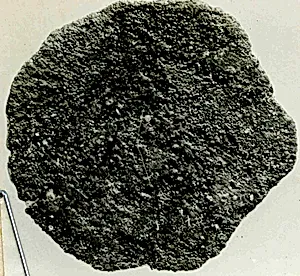
Medium
Copper
Classification
Coins
Department
Islamic Art
Museum
Metropolitan Museum of Art, New York, NY
Credit
Rogers Fund, 1939
Accession Number
39.40.127.25
Rights
Public Domain
Art Historical Context
This copper coin, minted between 758 and 768 CE, hails from the early Abbasid Caliphate, a transformative era in Islamic history. The Abbasids, who rose to power in 750 CE after overthrowing the Umayyads, shifted the empire's capital to Baghdad, ushering in a golden age of scholarship, science, and trade. Everyday copper fulus like this one circulated widely, facilitating commerce across a vast realm stretching from Spain to Central Asia. Crafted in copper—a durable, affordable metal for small transactions—the coin exemplifies Islamic numismatic artistry. Abbasid coins typically feature elegant Arabic calligraphy rather than figural images, adhering to aniconic traditions that emphasized script as a divine art form. Inscriptions often included the caliph's name, mint location, and date, turning these humble objects into portable historical records. As part of the Metropolitan Museum of Art's Islamic Art collection, acquired through the Rogers Fund in 1939, this coin offers a tangible glimpse into medieval Islamic economy and culture. Numismatists cherish such artifacts for revealing minting practices, economic policies, and even linguistic evolution, making it a small but mighty window into a dynamic civilization.