
Coin
Unknown Artist
dated A.H. 367 or 369/ 977 or 979 CE
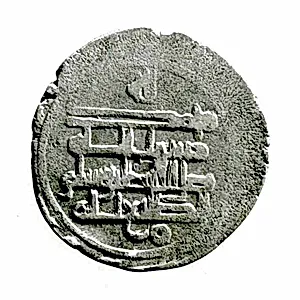
Medium
Silver
Classification
Coins
Department
Islamic Art
Museum
Metropolitan Museum of Art, New York, NY
Credit
Rogers Fund, 1939
Accession Number
39.40.127.143
Rights
Public Domain
Art Historical Context
This exquisite silver coin, struck around 977 or 979 CE (A.H. 367 or 369), offers a tangible glimpse into the vibrant Islamic world of the late 10th century.ed during a time when dynasties like the Buyids and Samanids sway across Persia, Central Asia, and beyond, dirhams were essential for trade along the Silk Road and in bustling bazaars, bearing witness to the economic vitality of the era. Crafted in silver using the ancient technique of striking with engraved dies, the coin exemplifies the aniconic artistry of Islamic numismatics. Eschewing human or animal figures in favor of intricate Arabic inscriptions—likely in elegant Kufic script—it served not only as currency but as a canvas for calligraphy, one of Islam's highest art forms. These inscriptions often proclaimed the ruler's name, titles, and mint location, blending utility with profound cultural and religious messaging. As a highlight in the Metropolitan Museum of Art's Islamic Art collection (acquired via the Rogers Fund in 1939), this unassuming artifact reveals how everyday objects carried the weight of history, faith, and craftsmanship, inviting us to ponder the interconnected lives of medieval merchants and monarchs.