
Coin
Unknown Artist
dated A.H. 375/ 985–86 CE
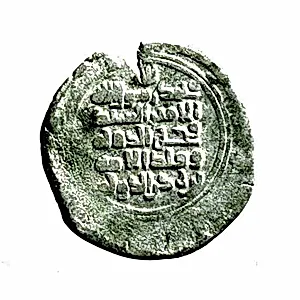
Medium
Silver
Classification
Coins
Department
Islamic Art
Museum
Metropolitan Museum of Art, New York, NY
Credit
Rogers Fund, 1939
Accession Number
39.40.127.175
Rights
Public Domain
Art Historical Context
This exquisite silver coin, struck in A.H. 375 (985–86 CE), hails from the Islamic world during a vibrant era of cultural and intellectual flourishing. As a numismatic artifact in the Metropolitan Museum of Art's Islamic Art Department—acquired through the Rogers Fund in 1939—it exemplifies the precision craftsmanship of medieval Islamic minting. Likely a dirham, the standard silver currency, it bears inscriptions rather than figural imagery, adhering to aniconic traditions that emphasized calligraphy as the highest art form. In the 10th century, such coins served not only as money but as historical documents, recording rulers' titles, mint locations, and dates in elegant Kufic script. Minted amid the rivalries of dynasties like the Samanids or Buyids in Persia and Central Asia, this piece reflects the economic vitality of the Silk Road trade networks, facilitating commerce from Baghdad to Bukhara. Its standardized weight and purity underscored Islamic monetary reforms, promoting trust across vast empires. For visitors, this unassuming coin reveals the artistry in everyday objects—where metalwork met poetry in script—offering a tangible link to a world of scholars, sultans, and bustling bazaars.