
Coin
Unknown Artist
1030–74
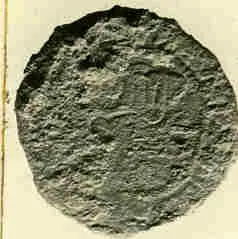
Medium
Copper
Classification
Coins
Department
Islamic Art
Museum
Metropolitan Museum of Art, New York, NY
Credit
Rogers Fund, 1939
Accession Number
39.40.127.186
Rights
Public Domain
Art Historical Context
This copper coin, minted between 1030 and 1074, offers a tangible glimpse into the vibrant world of medieval Islamic commerce and governance. As a low-denomination fulus—common currency for everyday transactions—it was struck during a dynamic period in the Islamic world, likely under the Fatimid Caliphate's influence in regions like Egypt or North Africa. Housed in the Metropolitan Museum Art's Islamic Art department this artifact highlights how coins served not just as money, but as portable proclamations of power, bearing intricate Arabic inscriptions with rulers' names, mint locations, and dates. Crafted using the die-striking technique, where metal blanks were hammered between engraved dies, the coin exemplifies the artistry of Islamic numismatics. Copper's affordability made it ideal for mass production, yet the precision of its calligraphy reflects the era's mastery of epigraphy—a cornerstone of Islamic design where script became a form of visual poetry. These coins fueled bustling trade routes, from the Mediterranean to the Indian Ocean, underscoring the economic sophistication of Islamic societies. Though the artist remains unknown, this unassuming piece connects us to lives long past: merchants haggling in souks, caliphs asserting authority. Acquired through the Rogers Fund in 1939, it invites visitors to ponder how such tiny objects chronicled history's grand narratives.