
Coin
Unknown Artist
8th–9th century
Medium
Copper
Classification
Coins
Department
Islamic Art
Museum
Metropolitan Museum of Art, New York, NY
Credit
Rogers Fund, 1939
Accession Number
39.40.127.584
Rights
Public Domain
Art Historical Context
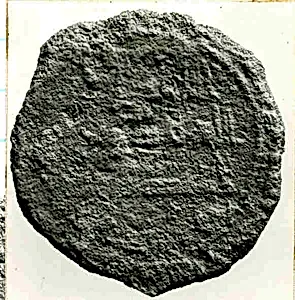
This copper coin, minted in the 8th–9th, offers a tangible glimpse into the early Islamic world during a time of expansive caliphates and burgeoning trade networks. As a product of the Islamic Art tradition, it exemplifies the standardized coinage introduced after the Islamic conquests, replacing Byzantine and Sasanian models with designs emphasizing religious and political authority. Likely a *fals*—a low-denomination copper piece used for everyday transactions—the coin circulated across vast regions from the Middle East to Central Asia. Crafted through the ancient technique of striking metal blanks between engraved dies, its obverse and reverse typically bore Arabic inscriptions rather than figural images, adhering to Islamic aniconism. These inscriptions often included the caliph's name, mint location, and date in Hijri script, blending artistry with functionality. The Rogers Fund acquisition in 1939 highlights its value to collections like the Metropolitan Museum of Art's, preserving economic history. Beyond commerce, such coins served as cultural ambassadors, spreading Arabic script and Islamic phrases like the *shahada*. They reflect a sophisticated economy under Abbasid influence, where mints in cities like Baghdad produced millions, fostering unity in a diverse empire. A small artifact with big stories!