
Coin
Unknown Artist
8th–9th century
Medium
Copper
Classification
Coins
Department
Islamic Art
Museum
Metropolitan Museum of Art, New York, NY
Credit
Rogers Fund, 1939
Accession Number
39.40.127.196
Rights
Public Domain
Art Historical Context
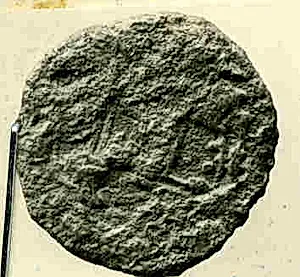
This unassuming copper coin, dating to the 8th–9th, offers a tangible glimpse into the vibrant world of early Islamic civilization. Minted during the Abbasidiphate era—a golden age of expansion, scholarship, and trade—this small artifact served as everyday currency across a vast empire stretching from Spain to Central Asia. Acquired through the Rogers Fund in 1939, it now resides in the Metropolitan Museum Art's Islamic Art department highlighting the precision and portability of monetary systems that fueled economic prosperity. Crafted from durable copper, a common medium for smaller denominations, the coin exemplifies Islamic minting techniques. These involved striking dies with intricate Arabic inscriptions, often proclaiming the Islamic creed (shahada) and the caliph's name, while adhering to aniconic traditions that avoided human or animal imagery. Such designs not only standardized trade but also propagated religious and political authority, turning money into a medium of cultural expression. For museum visitors, this coin whispers stories of bustling bazaars and far-flung caravans, reminding us how everyday objects preserved the legacy of a dynamic era. Its survival underscores the artistry in utility, inviting us to appreciate the intricate balance of faith, power, and commerce in Islamic history.