
Coin
Unknown Artist
8th–9th century
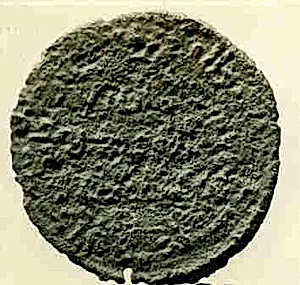
Medium
Copper
Classification
Coins
Department
Islamic Art
Museum
Metropolitan Museum of Art, New York, NY
Credit
Rogers Fund, 1939
Accession Number
39.40.127.201
Rights
Public Domain
Art Historical Context
This copper coin, dating to the 8th–9th century, offers a tangible glimpse into the vibrant world of early Islamic civilization. Minted during the height of the Abbasid Calate or its predecessors, such coins circulated across a vast empire stretching from Spain to Central Asia, serving as everyday currency for trade, taxes, and daily transactions.oused in the Metropolitan Museum of Art's Islamic department (acquired through the Rogers Fund in 1939), it the practical artistry of numismatics in a era when coins were both economic tools and symbols of authority. Crafted from copper—a durable, affordable metal for smaller denominations—the coin likely features finely engraved dies showcasing Arabic calligraphy, a hallmark of Islamic design that avoided human or animal imagery in line with aniconic traditions. Techniques like hammering or striking molten metal between intricately carved obverse and reverse dies produced crisp inscriptions, often including the ruler's name, mint location, and Hijri date, reflecting advanced metallurgical and epigraphic skills. Beyond its utility, this modest artifact underscores the cultural unity fostered by standardized coinage, which bridged diverse regions and peoples. For visitors, it invites reflection on how something so small powered one of history's greatest cultural and economic expansions— a pocket-sized portal to the Islamic Golden Age.