
Coin
Unknown Artist
A.H. 366–87/ 976–97 CE
Medium
Copper
Classification
Coins
Department
Islamic Art
Museum
Metropolitan Museum of Art, New York, NY
Credit
Rogers Fund, 1939
Accession Number
39.40.127.234
Rights
Public Domain
Art Historical Context
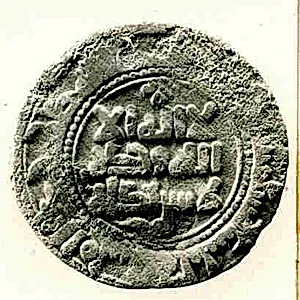
This copper coin, minted between A.H. 366–387 (976–997 CE), offers a glimpse into the vibrant world of the late 10th century. during a period of dynamic political shifts under dynasties like the Buyids in Persia and Iraq, such coins circulated widely as everyday currency, bridging trade routes from the Mediterranean to Central Asia. As artifacts of Islamic art, they embody the era's emphasis on calligraphy over imagery, reflecting religious preferences for aniconism while serving practical economic needs. Crafted from durable copper—a common choice for fractional denominations—this coin exemplifies the refined minting techniques of medieval Islamic numismatics. Struck with dies bearing Arabic inscriptions, it likely features regal titles, mint names, and dates, transforming metal into a canvas for elegant Kufic or early Naskh script. These details not only authenticated the coin's value but also propagated political authority across diverse populations. Today, housed in the Metropolitan Museum of Art's Islamic Art department through the Rogers Fund of 1939, this unassuming piece highlights coins' role as portable masterpieces. They preserve historical snapshots, revealing economic vitality and artistic ingenuity in a faith-driven society where words held sacred power.