
Coin
Unknown Artist
mid-8th century
Medium
Copper
Classification
Coins
Department
Islamic Art
Museum
Metropolitan Museum of Art, New York, NY
Credit
Rogers Fund, 1939
Accession Number
39.40.127.268
Rights
Public Domain
Art Historical Context
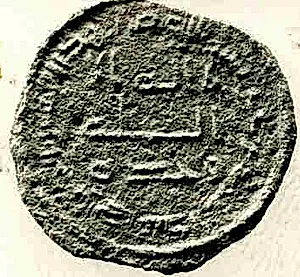
This mid-8th century copper, hailing from the Islamic world, offers a tangible glimpse into the bustling trade and governance of the early Abbasid Caliphate Struck around 750 CE—the very dawn of the Abbasid era—this unassuming artifact served as everyday currency, facilitating commerce across vast empires stretching from Spain to Central Asia. Acquired through the Rogers Fund in 1939, it now resides in the Metropolitan Museum Art's Islamic Art Department where it exemplifies the numismatic artistry of a transformative period. Crafted from durable copper, the coin reflects practical metallurgy suited to high-circulation use, contrasting with rarer gold or silver pieces reserved for prestige. Islamic coins of this time often featured elegant Arabic inscriptions rather than figural imagery, adhering to aniconic traditions while proclaiming the caliph's authority, mint location, and date. Though the artist remains unknown, the precision of its striking highlights skilled die-engraving techniques that blended functionality with subtle aesthetic appeal. Beyond economics, such coins were cultural emissaries, spreading Islamic script and legitimacy. This piece invites visitors to ponder the interconnected lives of merchants, rulers, and artisans in an age of intellectual and artistic flourishing.