
Coin
Unknown Artist
probably 8th century
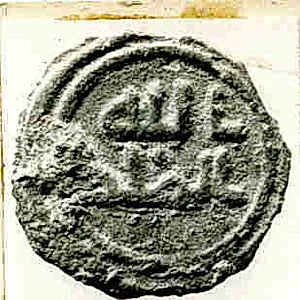
Medium
Copper
Classification
Coins
Department
Islamic Art
Museum
Metropolitan Museum of Art, New York, NY
Credit
Rogers Fund, 1939
Accession Number
39.40.127.248
Rights
Public Domain
Art Historical Context
This modest copper coin, dating to the probably 8th century, a tangible window into the vibrant world of early Islamic civilization. Housed in the Metropolitan Museum of Art's Islamic Art department and acquired through the Rogers Fund in 193, it exemplifies the numismatic artistry of the era, when coins served not just as currency but as bearers of cultural and religious identity. In the 8th century during the height of the Umayyad and early Abbasid caliphates copper coins like this one—often smaller denominations called *fulus*—circulated widely across an expanding empire from the Iberian Peninsula to Central Asia. Minted through precise striking techniques, they typically featured elegant Arabic calligraphy with phrases affirming faith, such as the Islamic testimony of belief, rather than human or animal figures. This shift underscored the aniconic principles of Islamic art, prioritizing script as a profound artistic medium. Beyond economics, such coins fueled trade along the Silk Road and Silk Roads equivalents, linking diverse cultures. Their intricate engravings and enduring patina make this everyday object a museum treasure, revealing how artistry infused even the smallest artifacts of daily life.