
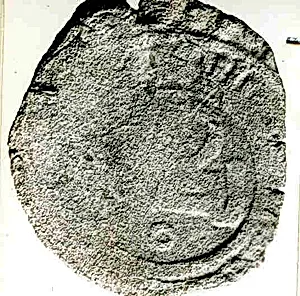
Coin
Unknown Artist
late 11th–early 13th century
Medium
Copper
Classification
Coins
Department
Islamic Art
Museum
Metropolitan Museum of Art, New York, NY
Credit
Rogers Fund, 1939
Accession Number
39.40.127.275
Rights
Public Domain
Art Historical Context
This unassuming copper coin, dating from the late 11th to early 13th century, offers a tangible glimpse into the vibrant Islamic world of the medieval Middle East. Housed in the Metropolitan Museum of Art's Islamic Art department and acquired through the Rogers Fund in 1939, it exemplifies everyday artifacts that doubled as portable art. Crafted during a dynamic era marked by the Seljuk Sultanate's peak the early stirrings of Mongol pressures, such coins circulated widely across empires, facilitating trade from Baghdad to Central Asia. In Islamic numismatics, copper served as the humble medium for smaller denominations like the fals, contrasting with gold dinars reserved for prestige. Minted with precision using dies that stamped intricate Arabic inscriptions—often invoking rulers' names, mint locations, and Quranic phrases—these coins transformed metal into miniature billboards of authority and faith. The absence of figural imagery adhered to aniconic traditions, elevating calligraphy as the era's supreme artistic expression. Though the artist remains unknown, this coin's survival underscores the ingenuity of medieval Islamic mints, where economic necessity met aesthetic discipline. For visitors, it invites reflection on how even pocket change wove history's threads into daily life.