
Coin
Unknown Artist
dated A.H. 153/ 770 CE
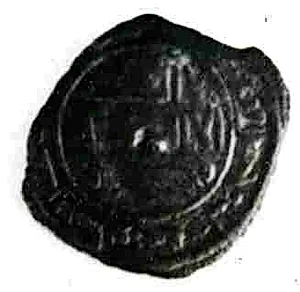
Medium
Copper
Classification
Coins
Department
Islamic Art
Museum
Metropolitan Museum of Art, New York, NY
Credit
Rogers Fund, 1939
Accession Number
39.40.127.362
Rights
Public Domain
Art Historical Context
This copper coin, minted in A.H. 153 (770 CE), offers a tangible glimpse into the early Abbasid Caliphate, a golden age of Islamic civilization that flourished from 750 to 1258 CE. Produced during the reign of Caliph al-Mansur, who founded Baghdad as the empire's glittering capital, such coins were essential for trade across a vast realm stretching from Spain to Central Asia. As everyday objects of exchange, they bridged merchants, scholars, and rulers, embodying the economic vitality of the Islamic world. Crafted in copper—a practical medium for smaller denominations—the coin exemplifies Islamic numismatic artistry. Abbasid coins typically feature elegant Arabic calligraphy, including the caliph's name, mint location, and Hijri date, replacing figural imagery in line with aniconic traditions. This shift highlighted the Quran's influence and the beauty of Kufic script, an early angular style that influenced later Islamic decoration. Housed in the Metropolitan Museum of Art's Islamic Art Department through the Rogers Fund of 1939, this artifact invites us to ponder the interconnectedness of 8th-century societies. Beyond mere currency, it whispers stories of innovation, faith, and commerce in a transformative era.