
Coin
Unknown Artist
770–72
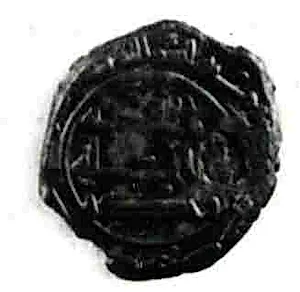
Medium
Copper
Classification
Coins
Department
Islamic Art
Museum
Metropolitan Museum of Art, New York, NY
Credit
Rogers Fund, 1939
Accession Number
39.40.127.363
Rights
Public Domain
Art Historical Context
This copper coin, minted around 770–772 CE, offers a tangible glimpse into the early Abbasid Caliphate a pivotal era in Islamic history when Baghdad emerged as a vibrant center of culture and power. Produced during the reign of Caliph al-Mansur, who founded the Abbasid capital in 762 CE, such coins circulated widely across the expanding Islamic world, facilitating trade from the Mediterranean to Central Asia. As a humble yet essential artifact, it exemplifies the economic backbone of the empire, where copper denominations handled everyday transactions. In the Department of Islamic Art, this coin highlights the artistry of numismatic design, featuring finely struck inscriptions in Arabic Kufic script—a hallmark of early Islamic aesthetics that prioritized calligraphy over imagery, in line with aniconic traditions. These engravings typically bore the caliph's name, mint location, and religious phrases like the Islamic confession of faith, blending propaganda, piety, and precision craftsmanship. Techniques involved hammering heated metal into dies, achieving remarkable detail despite the small scale. Acquired through the Rogers Fund in 1939, this piece at the Metropolitan Museum of Art invites visitors to ponder how money shaped medieval societies—serving not just as currency, but as a canvas for cultural identity and imperial authority.