
Coin
Unknown Artist
8th–9th century
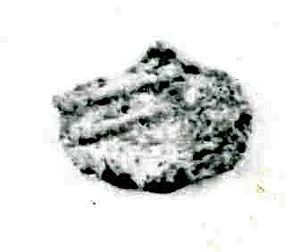
Medium
Copper
Classification
Coins
Department
Islamic Art
Museum
Metropolitan Museum of Art, New York, NY
Credit
Rogers Fund, 1939
Accession Number
39.40.127.367
Rights
Public Domain
Art Historical Context
This unassuming copper coin, dating to the 8th–9th, offers a tangible glimpse into the vibrant world of early Islamic civilization. Minted during a time of expansive caliphates and flourishing trade routes, it belongs to the Metropolitan Museum of Art's esteemed Islamic Art department, acquired through the Rogers Fund in 1939. As a common medium for everyday transactions, copper coins like this one circulated widely across the Islamic world, from bustling markets in Baghdad to distant outposts, underscoring the era's economic dynamism and interconnectedness. In the realm of Islamic art, coins held dual roles as currency and cultural artifacts. Crafted from durable copper, they were ideal for smaller denominations, enabling commerce in diverse regions. Their designs often featured intricate Arabic inscriptions rather than images, reflecting Islamic aniconism and the artistry of calligraphy—a hallmark of the period's aesthetic innovation. This coin exemplifies how numismatics preserved historical records, bearing witness to rulers, mints, and dates that chronicled political shifts. Though the artist remains unknown, such coins highlight the skilled craftsmanship of anonymous mint workers, whose work fueled empires and bridged cultures. A small treasure, it invites us to ponder the everyday objects that shaped history.