
Coin
Unknown Artist
probably 8th–9th century
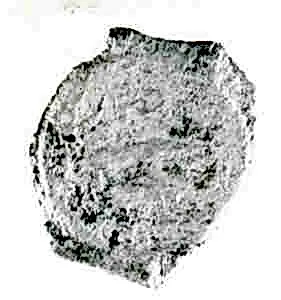
Medium
Copper
Classification
Coins
Department
Islamic Art
Museum
Metropolitan Museum of Art, New York, NY
Credit
Rogers Fund, 1939
Accession Number
39.40.127.470
Rights
Public Domain
Art Historical Context
This unassuming copper coin, dating to the 8th–9th century, offers a window into the vibrant early Islamic world under the Abbasid Caliphate. Minted during a golden age of expansion and cultural flourishing—from Baghdad to the edges of the empire—these coins were everyday essentials, circulating as fals (low-denomination currency) for trade, taxes, and markets bustling with merchants from Persia to Spain. Crafted in copper, a durable and affordable medium, the coin exemplifies Islamic numismatic artistry through intricate Arabic calligraphy and geometric motifs, adhering to aniconic traditions that avoided human or animal figures. Inscriptions likely bore the caliph's name, mint location, and date, serving as portable propaganda for the ruler's authority while standardizing weights and measures across diverse regions. As part of the Metropolitan Museum of Art's Islamic Art collection, acquired through the Rogers Fund in 1939, this artifact highlights how coins were more than money—they were historical documents revealing economic vitality, political power, and artistic refinement of the era. A tiny treasure reminding us of the Abbasids' enduring legacy.