
Coin
Unknown Artist
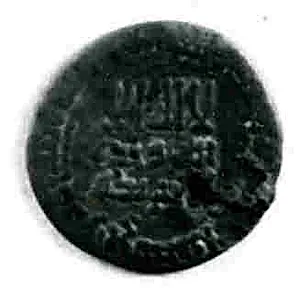
dated A.H. 157/ 774 CE
Medium
Gold-plated copper
Classification
Coins
Department
Islamic Art
Museum
Metropolitan Museum of Art, New York, NY
Credit
Rogers Fund, 1939
Accession Number
39.40.127.368
Rights
Public Domain
Art Historical Context
This exquisite gold-plated copper coin dated A.H. 157 (774 CE), hails from the early Abbasid Caliphate a golden age of Islamic civilization marked by the shift of power from Damascus to the newly founded Baghdad. As a numismatic artifact in the Metropolitan Museum of Art's Islamic Art collection—acquired through the Rogers Fund in 1939—it offers a tangible glimpse into the economic and political life of the 8th century. Acquired anonymously by an unknown artist or mint, such coins were everyday instruments of trade, circulating across a vast empire from Spain to Central Asia. Crafted from copper and plated with gold, the coin exemplifies resourceful artistry: the plating mimicked the prestige of pure gold dinars while making wealth accessible for broader commerce. Islamic coinage of this era typically featured elegant Arabic inscriptions—often invoking the caliph's name, mint location, and date—eschewing human imagery in line with aniconic traditions. This piece highlights the fusion of functionality and aesthetic refinement, where calligraphy served as both artistic expression and historical record. For visitors, this modest yet magnificent coin underscores how everyday objects preserved the pulse of history, from imperial decrees to bustling bazaars. A testament to Abbasid ingenuity, it invites us to ponder the interconnected world of medieval Islam.