
Coin
Unknown Artist
5th–14th century
Medium
Copper
Classification
Coins
Department
Islamic Art
Museum
Metropolitan Museum of Art, New York, NY
Credit
Rogers Fund, 1939
Accession Number
39.40.127.381
Rights
Public Domain
Art Historical Context
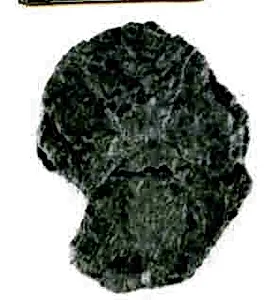
This unassuming copper coin, dating from the 5th to 14th century, offers a window into the vast Islamic world, where numismatics blended artistry, commerce, and governance. Housed in the Metropolitan Museum of Art's Islamic Department (acquired through the Rogers Fund in 9), it exemplifies everyday currency from an era spanning the rise of early caliphates to the height of medieval Islamic empires. Coins like this circulated across regions from Spain to Central Asia, facilitating trade along the Silk Road and beyond. Crafted in copper—a practical, affordable medium for small transactions—such coins were often struck with intricate Arabic inscriptions, including rulers' names, mint locations, and dates in Hijri script. This aniconic design adhered to Islamic artistic principles, prioritizing calligraphy over figural imagery, transforming humble metal into a canvas for religious phrases and imperial authority. While the specific design remains enigmatic due to its anonymous origins, it reflects the sophisticated minting techniques that standardized economies in diverse Islamic societies. As a artifact of daily life, this coin whispers tales of bustling bazaars and far-flung caravans, reminding us how even pocket change carried profound cultural weight. Visitors, pause to appreciate its quiet endurance through centuries!