
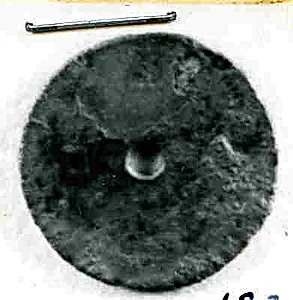
Coin
Unknown Artist
8th–9th century
Medium
Copper
Classification
Coins
Department
Islamic Art
Museum
Metropolitan Museum of Art, New York, NY
Credit
Rogers Fund, 1939
Accession Number
39.40.127.392
Rights
Public Domain
Art Historical Context
This copper coin, minted in the 8th–9th century, offers a tangible glimpse into the vibrant world of early Islamic civilization. Produced during the Umayyad or early Abbasid periods, it belongs to a time when the Islamic empire stretched from Spain to Central Asia, fostering unprecedented trade and cultural exchange. As a common "fals" denomination, this everyday medium of copper—affordable and durable—was essential for local markets, taxes, and daily transactions across diverse regions. Artistically, Islamic coins from this era marked a revolutionary shift. Departing from figurative Byzantine and Sasanian prototypes, they featured elegant Arabic inscriptions, often including the caliph's name, mint location, and date in Kufic script. This aniconic style reflected Islamic principles avoiding human images, emphasizing calligraphy as a profound artistic form. Techniques like striking metal blanks between engraved dies ensured precise, legible designs that doubled as propaganda tools, proclaiming the faith and ruler's authority. Held today at the Metropolitan Museum of Art, thanks to the Rogers Fund of 1939, this unassuming coin embodies the ingenuity of Islamic metallurgy and the era's economic prowess. It reminds us how even small artifacts bridged cultures, fueling the intellectual and artistic golden age that followed.