
Coin
Unknown Artist
819–1005
Medium
Copper
Classification
Coins
Department
Islamic Art
Museum
Metropolitan Museum of Art, New York, NY
Credit
Rogers Fund, 1939
Accession Number
39.40.127.398
Rights
Public Domain
Art Historical Context
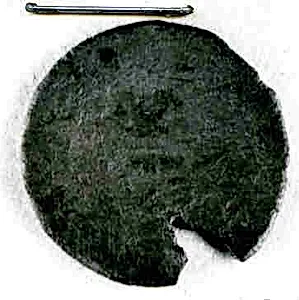
This copper coin, dating from 819 to 1005 CE, offers a tangible glimpse into the vibrant world of the Islamic Abbasid Caliphate and its successor states. Minted during a period of intellectual and economic flourishing—often called Islam's Golden Age—these coins circulated across a vast empire stretching from Spain to Central Asia. As everyday currency, they facilitated trade in bustling markets from Baghdad to Samarkand, embodying the interconnectedness of medieval Islamic civilization. Crafted in copper, a common medium for smaller denominations like the *fals*, this coin exemplifies the precision of Islamic minting techniques. Die-struck with intricate Arabic inscriptions rather than figurative images—adhering to aniconic traditions—it likely bore the name of a caliph, mint location, and date, serving as both money and propaganda. Such numismatic art highlights the era's mastery of calligraphy and epigraphy, turning humble metal into symbols of authority and faith. Housed in the Metropolitan Museum of Art's Islamic Art department (Rogers Fund, 1939), this unassuming artifact reveals how coins were cultural messengers, spreading Islamic motifs and governance far beyond palace walls. A small but mighty survivor of history!