
Coin
Unknown Artist
A.H. 158–68/ 774–84 CE
Medium
Copper
Classification
Coins
Department
Islamic Art
Museum
Metropolitan Museum of Art, New York, NY
Credit
Rogers Fund, 1939
Accession Number
39.40.127.432
Rights
Public Domain
Art Historical Context
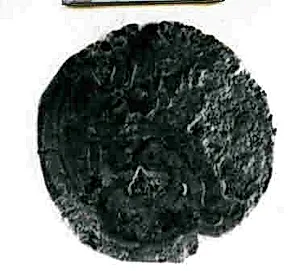
This modest copper coin, minted during the Abbasid Calate between A.H. 158–68 (774–84 CE), offers a tangible glimpse into the economic heartbeat of early Islamic civilization. Produced in an era when Baghdad was rising as a global center of learning and trade under caliphs like al-Mahdi, it exemplifies the standardized coinage that facilitated commerce across a vast empire stretching from Spain to Central Asia. Crafted from durable copper—a common medium for smaller denomination "fals" used in daily transactions—the coin reflects the Abbasid innovation in numismatics. Islamic rulers largely abandoned figural imagery in favor of elegant Arabic inscriptions, blending functionality with religious principles of aniconism. Though details of its exact design remain unrecorded here, such pieces were often stamped with the caliph's name, mint location, and date, serving as both currency and historical documents. Housed in the Metropolitan Museum of Art's Islamic Art department (acquired via the Rogers Fund in 1939), this artifact underscores the artistry in everyday objects, highlighting how monetary systems supported the Islamic Golden Age's cultural flourishing. A small but mighty survivor of history!