
Coin
Unknown Artist
A.H. 716–36/ 1316–35 CE
Medium
Copper
Classification
Coins
Department
Islamic Art
Museum
Metropolitan Museum of Art, New York, NY
Credit
Rogers Fund, 1939
Accession Number
39.40.127.447
Rights
Public Domain
Art Historical Context
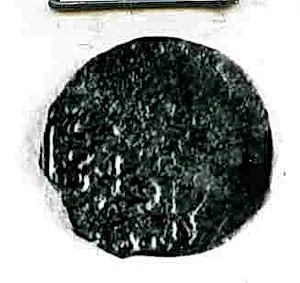
This copper coin, minted between A.H. 716–736 (1316–1335 CE), offers a tangible glimpse into the bustling trade and daily life of the medieval Islamic world. Produced during a dynamic era of expanding empires—from the Ilkhanid domains in Persia to Mamluk realms in Egypt and Syria— coins served as essential fractional currency, facilitating commerce in markets from Baghdad to Cairo. Its presence in the Metropolitan Museum of Art's Islamic Art, acquired through the Rogers Fund in 1939, underscores the museum's commitment to preserving these small yet eloquent artifacts of history. Crafted from durable copper, the coin exemplifies the refined die-striking techniques of Islamic minting, where intricate Arabic calligraphy conveyed essential information: the ruler's name, mint location, Hijri date, and often pious phrases like the Shahada. Unlike gold dinars reserved for elites, copper pieces were the people's money, bearing the weight of everyday transactions and reflecting the era's economic vitality. Numismatists treasure them for decoding political successions and regional power shifts otherwise lost to time. Though the artist remains unknown, this unassuming disc packs profound cultural weight, blending artistry, religion, and governance in a form that traveled far beyond its mint. A visit to the Coins gallery reveals how such objects illuminate the interconnected Islamic civilizations of the 14th century.