
Coin
Unknown Artist
A.H. 160–63/ 776–79 CE
Medium
Copper
Classification
Coins
Department
Islamic Art
Museum
Metropolitan Museum of Art, New York, NY
Credit
Rogers Fund, 1939
Accession Number
39.40.127.449
Rights
Public Domain
Art Historical Context
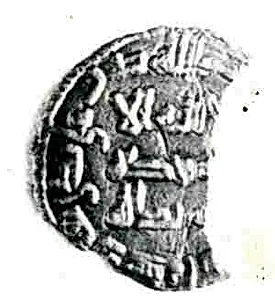
This modest copper coin, minted during A.H. 160–163 (776–779 CE), hails from the early Abbasid Caliphate a golden age of Islamic expansion and cultural flourishing under caliphs like al-Mahdi and al-Hadi. As a product of the vast Abbasid empire, which stretched from Spain to Central Asia, it served as everyday currency in bustling markets from Baghdad to distant provinces, facilitating trade in spices, textiles, and silks. Crafted in copper—a practical medium for smaller denominations known as *fals*—the coin exemplifies Islamic numismatic artistry. Unlike earlier Byzantine or Sasanian coins with figural imagery, Abbasid pieces emphasized elegant Arabic inscriptions, including the caliph's name, mint location, and religious phrases like the shahada. This shift underscored the caliphate's aniconic aesthetic and role in spreading Islamic governance and unity. Today, housed in the Metropolitan Museum of Art's Islamic Art department through the Rogers Fund of 1939, this artifact offers a tangible glimpse into medieval economic life, reminding us how even tiny coins carried the weight of empire and faith.