
Coin
Unknown Artist
8th–9th century
Medium
Copper
Classification
Coins
Department
Islamic Art
Museum
Metropolitan Museum of Art, New York, NY
Credit
Rogers Fund, 1939
Accession Number
39.40.127.480
Rights
Public Domain
Art Historical Context
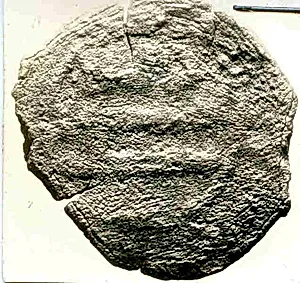
This unassuming copper coin from the 8th–9th century offers a tangible glimpse into the early Islamic world, a time of expanding caliphates and burgeoning cultural exchange. Minted during the Umayyad or early Abbasid periods, such coins were essential for everyday trade across vast territories from Spain to Central Asia, reflecting the economic vitality of the Islamic empire. As a medium, copper was prized for its durability and affordability, making it ideal for circulating currency among merchants and common folk. Islamic coins typically featured elegant Arabic inscriptions—often invoking religious phrases or rulers' names—rather than figural imagery, adhering to aniconic traditions that emphasized script as an art form. This piece exemplifies numismatic artistry, where calligraphy served both practical and symbolic purposes. Housed in the Metropolitan Museum of Art's Islamic Art department through the Rogers Fund of 1939, this coin underscores the Met's commitment to preserving humble artifacts that illuminate history. For visitors, it transforms a pocket-sized object into a portal to medieval commerce and faith.