
Coin
Unknown Artist
A.H. 141–50/ 758–68 CE
Medium
Copper
Classification
Coins
Department
Islamic Art
Museum
Metropolitan Museum of Art, New York, NY
Credit
Rogers Fund, 1939
Accession Number
39.40.127.486
Rights
Public Domain
Art Historical Context
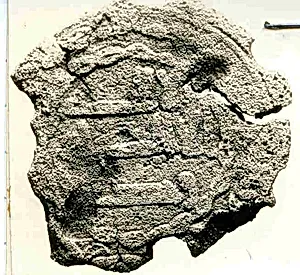
This copper coin, minted during the early Abbasid CaliphateA.H. 141–50 / 758–68 CE), offers a tangible glimpse into the bustling economic world of medieval Islam. Produced in an era of political transformation following the Abbasid Revolution of 750 CE, which shifted power from Damascus to Baghdad, such coins circulated widely across the expanding empire, facilitating trade from the Mediterranean to Central Asia. Crafted from durable copper—a common medium for smaller denominations known as *fals*—this artifact exemplifies the Islamic innovation in numismatics. Unlike earlier Byzantine or Sasanian coins with figural imagery, Abbasid issues featured elegant Arabic calligraphy, proclaiming the caliph's authority, mint location, and date. This aniconic design underscored the era's emphasis on religious purity and scriptural artistry, blending functionality with profound cultural symbolism. As part of the Metropolitan Museum of Art's Islamic Art collection, acquired through the Rogers Fund in 1939, this unassuming coin reveals the Abbasids' mastery of standardized minting techniques, which stabilized economies and spread Islamic governance. Visitors, imagine it jingling in a merchant's pouch— a small but mighty emblem of an empire's golden age!