
Coin
Unknown Artist
758–68
Medium
Copper
Classification
Coins
Department
Islamic Art
Museum
Metropolitan Museum of Art, New York, NY
Credit
Rogers Fund, 1939
Accession Number
39.40.127.523
Rights
Public Domain
Art Historical Context
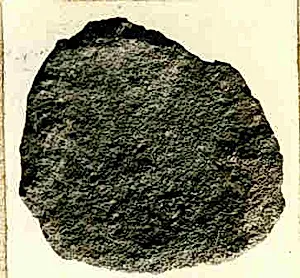
This copper coin, minted between 758 and 768 CE, offers a glimpse into the earlyid Caliphate, a transformative era in Islamic history. Produced during the reign of Caliph al-Mansur (r. 754–775), who founded Baghdad as the new imperial capital in 762, it reflects the dynasty's shift from Umayyad rule. As a fulus—a common low-denomination coin—its unassuming copper medium was ideal for everyday transactions across a vast empire stretching from Spain to Central Asia. In the Department of Islamic Art, this piece exemplifies the evolution of Islamic numismatics. Early Abbasid coins abandoned figural imagery found on Byzantine and Sasanian predecessors, embracing aniconism with Arabic inscriptions citing the caliph's name, titles, and mint location. This epigraphic style underscored religious purity and imperial authority, making coins both currency and propaganda tools. Though the artist remains unknown, as was typical for mint workers, the coin's precise calligraphy and standardized design highlight masterful die-engraving techniques. At the Metropolitan Museum of Art, thanks to the Rogers Fund of 1939, it invites visitors to ponder how such tiny artifacts chronicled the golden age of Islamic civilization.