
Coin
Unknown Artist
758–68
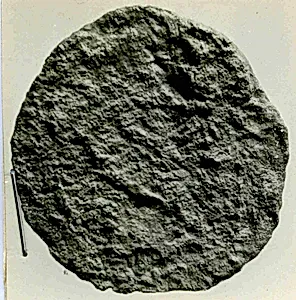
Medium
Copper
Classification
Coins
Department
Islamic Art
Museum
Metropolitan Museum of Art, New York, NY
Credit
Rogers Fund, 1939
Accession Number
39.40.127.24
Rights
Public Domain
Art Historical Context
This copper coin, struck between 758 and 768 CE, offers a tangible glimpse into the early Abbasid Caliphate a pivotal era in Islamic history when Baghdad emerged as a center of power and culture following the overthrow of the Umayyads in 750 CE. As part of the Metropolitan Museum of Art's Islamic Art collection—acquired through the Rogers Fund in 1939—it exemplifies the everyday artifacts that fueled trade and administration across a vast empire stretching from Spain to Central Asia. Crafted from durable copper, a common medium for smaller denominations, this coin reflects the Abbasid innovation in numismatics: a shift toward purely epigraphic designs featuring Arabic inscriptions rather than figural imagery, aligning with evolving Islamic artistic principles that emphasized script as a form of beauty and authority. These coins circulated widely, bearing the names of caliphs like al-Mansur (r. 754–775), symbolizing centralized minting from royal workshops. For visitors, this unassuming piece underscores how money was not just currency but a canvas for cultural identity, bridging economics, religion, and governance in the golden age of medieval Islam.