
Coin
Unknown Artist
probably 12th century
Medium
Silver plated copper
Classification
Coins
Department
Islamic Art
Museum
Metropolitan Museum of Art, New York, NY
Credit
Rogers Fund, 1939
Accession Number
39.40.127.548
Rights
Public Domain
Art Historical Context
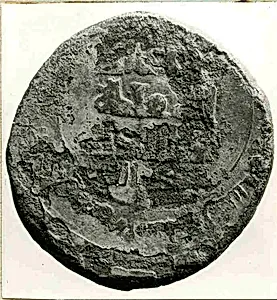
This exquisite silver-plated copper coin dating to the 12th century, offers a tangible glimpse into the vibrant world of Islamic art and commerce. Housed in the Metropolitan Museum of Art's Islamic Art department and acquired through the Rogers Fund in 1939, it exemplifies the meticulous craftsmanship of medieval Islamic minting. The use of silver plating over a copper base was a clever technique, allowing for the luster and prestige of precious metal at a fraction of the cost—ideal for widespread circulation in bustling trade networks spanning the Middle East, North Africa, and beyond. the 12th century, during the height of Islamic dynasties like the Seljuks and Fatimids, coins served not just as currency but as portable artworks and historical records. Inscriptions in elegant Arabic script—often featuring a ruler's name, mint location, and date—adorned such pieces, blending calligraphy (a pinnacle of Islamic artistic expression) with functionality. This coin reflects the era's economic sophistication and cultural emphasis on beauty in everyday objects, where even money doubled as propaganda for Islamic sovereignty. Though the artist remains unknown, as was typical for mint workers, this small artifact underscores the Islamic world's ingenuity in metallurgy and design. Visitors, imagine it passing through merchants' hands along the Silk Road— a shiny testament to a golden age of innovation!