
Coin
Unknown Artist
probably 8th–9th century
Medium
Copper
Classification
Coins
Department
Islamic Art
Museum
Metropolitan Museum of Art, New York, NY
Credit
Rogers Fund, 1939
Accession Number
39.40.127.571
Rights
Public Domain
Art Historical Context
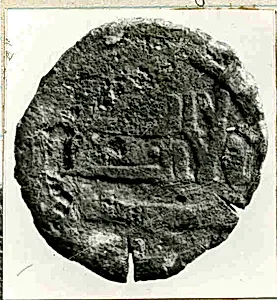
This modest copper coin, dating to the 8th–9th, offers a tangible glimpse into the vibrant economic and cultural world of early Islamic civilization. Minted during the Abbasidiphate era—a golden age of scholarship, trade, and expansion—these coins facilitated commerce across a vast empire stretching from Spain Central Asia. Acquired through the Rogers Fund in 1939, it in the Metropolitan Museum of's Islamic Art department, numismatics as a key lens for understanding daily life and governance. Crafted from durable copper, typical for smaller denominations in everyday transactions, the coin exemplifies Islamic aniconism: the avoidance of figurative imagery in favor of elegant Arabic inscriptions. These often bore the caliph's name, mint location, and phrases like the Islamic testimony of faith, blending functionality with religious devotion. Such epigraphy elevated calligraphy to an art form, influencing broader Islamic decorative traditions. Though the artist remains unknown, this coin's survival speaks to the ingenuity of medieval minting techniques and the coin's role as a portable ambassador of faith and authority. Visitors, imagine it changing hands in a Baghdad souk— a small artifact with big stories!