
Coin Weight
Unknown Artist
13th–14th century
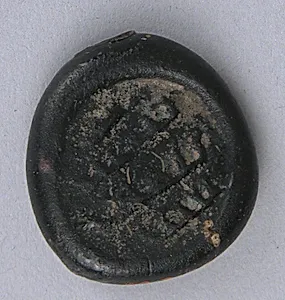
Medium
Glass; stamped
Dimensions
H. 3/16 in. (0.5 cm) Diam. 13/16 in. (2.1 cm) Wt. 0.1 oz. (2.8 g)
Classification
Glass
Department
Islamic Art
Museum
Metropolitan Museum of Art, New York, NY
Credit
Gift of Joseph W. Drexel, 1889
Accession Number
89.2.231
Rights
Public Domain
Tags
Art Historical Context
This delicate glass coin weight, dating to the 13th–14th century, hails from the Islamic world and exemplifies the precision of medieval trade practices. Measuring just 13/16 inch in diameter and weighing a mere 0.1 ounce, it was designed to verify the weight of gold or silver coins, ensuring fair exchange in bustling markets from Cairo to Baghdad. Part of the Metropolitan Museum of Art's Islamic Art collection—gifted by Joseph W. Drexel 1889—it reflects a time when Islamic empires like the Mamluks standardized weights and measures to support vast commercial networks along the Silk Road and Indian Ocean routes. Crafted from glass and stamped with intricate designs, this artifact showcases advanced Islamic glassmaking techniques. Glass was a favored medium for such tools due to its durability, affordability, and ability to hold fine impressions from metal dies—often featuring Arabic inscriptions or geometric motifs denoting official weights. Unlike heavier metal counterparts, these lightweight glass pieces were portable for merchants and money-changers. As a humble yet essential object, this coin weight highlights the cultural emphasis on trust and accuracy in Islamic commerce, where economic stability underpinned artistic and scientific flourishing. Visitors can appreciate how everyday tools like this bridged art, science, and daily life in a golden age of innovation.