
Cover
Unknown Artist
16th century
Dimensions
L. 69 1/2 x W. 65 inches (176.5 x 165.1 cm)
Classification
Textiles-Embroidered
Culture
German or Swiss
Department
European Sculpture and Decorative Arts
Museum
Metropolitan Museum of Art, New York, NY
Credit
Gift of Mrs. Stanford White, 1907
Accession Number
07.294.1
Rights
Public Domain
Tags
Art Historical Context
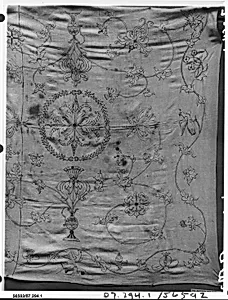
This magnificent 16th-century embroidered, hailing from German or Swiss origins, exemplifies the exquisite textile arts of Renaissance Europe. Measuring an impressive 69½ by 65 inches (176.5 x 165.1 cm), it was likely crafted for use as a bed cover, altar frontal, or ceremonial hanging, showcasing the era's mastery of embroidery on linen or similar fabric. Adorned with motifs of birds—common symbols of nature, spirituality, and the divine in Northern European decorative traditions—the piece reflects the period's blend of functionality and artistry, where textiles served as status symbols in wealthy households or ecclesiastical settings. The unknown artist's technique highlights the labor-intensive whitework or counted-thread embroidery typical of the German-Swiss alpine regions, where skilled needlewomen produced durable yet intricately detailed works. During the 16th century, such covers were prized for their symbolic richness; birds often evoked freedom, the soul, or biblical parables, weaving cultural and religious narratives into everyday opulence. Now housed in the Metropolitan Museum of Art's Department of European Sculpture and Decorative Arts, this cover was generously gifted by Mrs. Stanford White in 1907, preserving a glimpse into pre-industrial craftsmanship. Visitors will appreciate its tactile grandeur up close, a testament to the anonymous talents that elevated textiles to high art in the Renaissance.