
Covered Box from an Altar Set
Unknown Artist
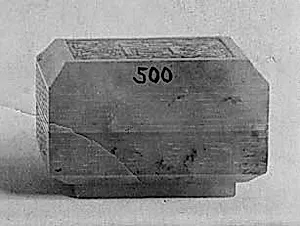
Medium
Jadeite, emerald-green mingled with light gray and markings of dead oak leaf
Dimensions
H. 1 5/16 in. (3.3 cm); W. 1 15/16 in. (5 cm); D. 1 9/16 in. (4 cm)
Classification
Jade
Culture & Period
China · Qing dynasty (1644–1911), Qianlong period (1736–95)
Department
Asian Art
Museum
Metropolitan Museum of Art, New York, NY
Credit
Gift of Heber R. Bishop, 1902
Accession Number
02.18.500a, b
Rights
Public Domain
Art Historical Context
This exquisite covered box, part of a larger altar set, hails from China's Qing dynasty during the Qianlong period (6–95), a age of imperial artistry and opulence. Crafted from jadeite—emerald-green flecked with light gray striking "dead oak leaf" markings—the box measures just over 1 inch tall, embodying the meticulous precision of Qing jade carvers. Its petite dimensions (H. 1 5/16 in.; W. 1 15/16 in.; D. 1 9/16 in.) made it ideal for placement on family altars, where such objects held ritual significance in ancestral worship and offerings. Jadeite, prized in Chinese culture for symbolizing purity, virtue, and immortality, was a favored imperial material during Qianlong's reign, when workshops produced unparalleled carvings for the court. The stone's natural mottling was artfully showcased rather than hidden, highlighting the artisan's skill in selecting and shaping flawless pieces without waste—a testament to the era's technical mastery and aesthetic reverence for nature's imperfections. Today, this treasure resides in the Metropolitan Museum of Art's Asian Art Department, a gift from Heber R. Bishop in 1902. It invites us to marvel at how everyday rituals intertwined with imperial splendor, preserving echoes of Qing devotion in luminous green.