
Cup
Unknown Artist
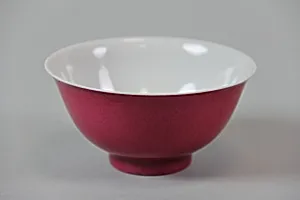
Medium
Porcelain
Dimensions
H. 1 7/8 in. (4.8 cm); Diam. 3 3/4 in. (9.5 cm)
Classification
Ceramics
Culture & Period
China · Qing dynasty (1644–1911), Yongzheng period (1723–35)
Department
Asian Art
Museum
Metropolitan Museum of Art, New York, NY
Credit
Bequest of Mary Clark Thompson, 1923
Accession Number
24.80.287
Rights
Public Domain
Art Historical Context
This delicate porcelain cup, crafted in China during the Yongzheng period (1723–35) of the dynasty (1644–1), exemplifies the era's mastery of ceramic artistry. Measuring just 1 7/8 inches high and 3 3/4 inches in diameter, petite scale suggests it was designed for intimate use, perhaps as a tea cup in elite circles. The Qing dynasty marked a pinnacle of porcelain production at imperial kilns in Jingdezhen, whereters achieved unprecedented translucency and purity through refined kaolin clay and high-temperature techniques. Porcelain from the Yongzheng reign is celebrated for its technical perfection and subtle elegance, often serving as diplomatic gifts or luxury exports that symbolized China's cultural prestige worldwide. Though the artist remains unknown, such vessels reflect the period's imperial patronage, blending functionality with refined aesthetics. This cup's survival highlights the enduring allure of Chinese ceramics, which influenced global design for centuries. Bequeathed to the Metropolitan Museum of Art by Mary Clark Thompson in 1923, it invites visitors to appreciate the quiet sophistication of everyday imperial objects in the Asian Art department.