
Cup
1800
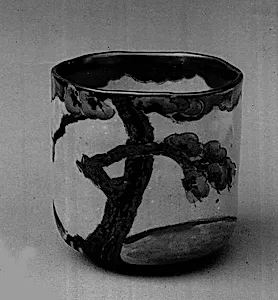
Medium
Stoneware with lustrous glaze; the decoration in enamels (Kyoto ware)
Dimensions
H. 3 1/2 in. (8.9 cm); Diam. 3 1/2 in. (8.9 cm)
Classification
Ceramics
Culture & Period
Japan · Edo period (1615–1868)
Department
Asian Art
Museum
Metropolitan Museum of Art, New York, NY
Credit
Gift of Mrs. V. Everit Macy, 1923
Accession Number
23.225.266
Rights
Public Domain
Art Historical Context
This elegant stoneware cup, created by the renowned Kyoto potter Eiraku Hozen around 1800, exemplifies the refined ceramic traditions of Japan’s Edo period. Hozen, a member of the distinguished Eiraku family, was celebrated for his mastery of colorful overglaze enamels and innovative glazes. Produced in Kyoto, a hub of artistic production during this peaceful era, the cup reflects the period’s emphasis on harmonious design and technical precision in everyday objects. Measuring just 3½ inches in height and diameter, the vessel features a lustrous glaze that enhances its smooth surface, accented by delicate enamel decoration typical of Kyoto ware. These techniques allowed for vibrant, lasting colors while maintaining the tactile warmth of stoneware. Such cups were often used in tea ceremonies or for serving sake, embodying the Japanese appreciation for beauty in functional items. Now part of the Metropolitan Museum of Art’s Asian Art collection, this piece—acquired through a generous gift in 1923—offers visitors a glimpse into the sophisticated world of Edo-period craftsmanship and the enduring legacy of Kyoto’s ceramic masters.
About the Artist
Eiraku Hozen · 1795–1854
Eiraku Hozen (1795–1854) was a celebrated Japanese ceramic artist and the sixteenth-generation head of the Nishimura family, a Kyoto dynasty of potters whose work was closely associated with the tastes of the imperial court and the refined aesthetic culture of the ancient capital. Operating under the artistic name Eiraku — a name that would become synonymous with a particular style of elegant, tec...