Ctrl K
1795–1854
Eiraku Hozen (1795–1854) was a celebrated Japanese ceramic artist and the sixteenth-generation head of the Nishimura family, a Kyoto dynasty of potters whose work was closely associated with the tastes of the imperial court and the refined aesthetic culture of the ancient capital. Operating under the artistic name Eiraku — a name that would become synonymous with a particular style of elegant, technically accomplished ceramic production — Hozen brought his family's tradition to one of its highest points of achievement during the early nineteenth century.
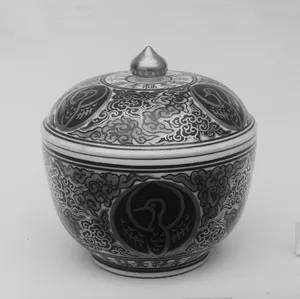
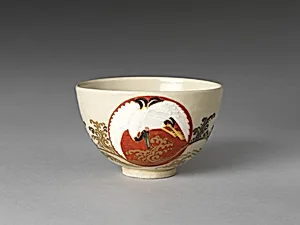
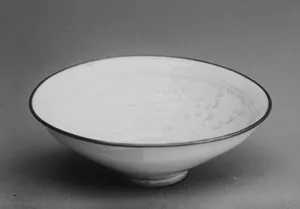
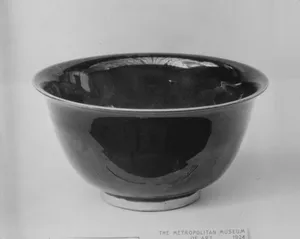
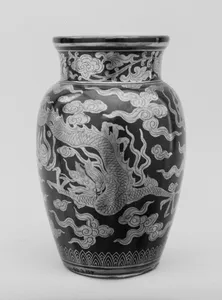
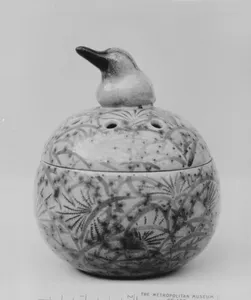
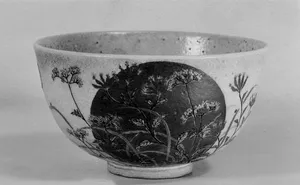
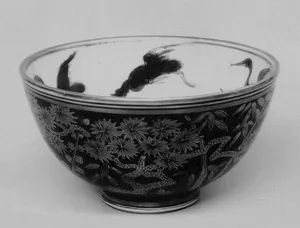
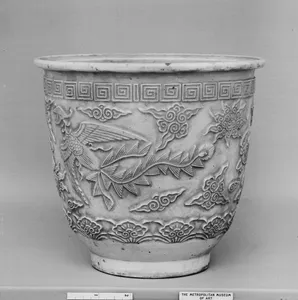
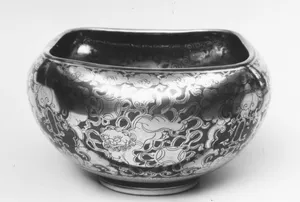
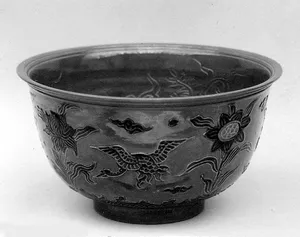
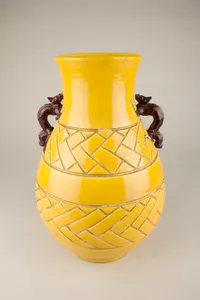
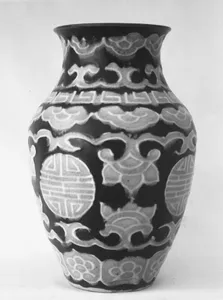
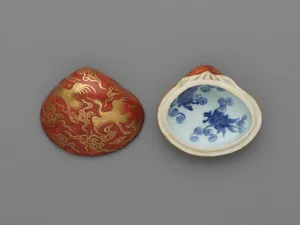
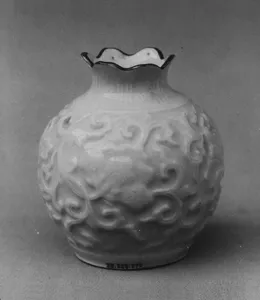
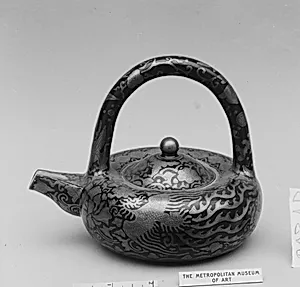
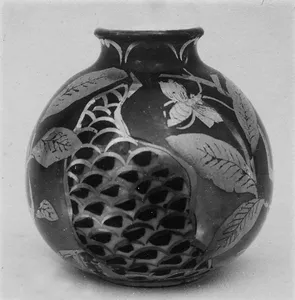
Hozen was a versatile and brilliantly skilled ceramicist who worked in a wide range of styles and techniques. He was especially celebrated for his revivalist approach, mastering and reinterpreting the great ceramic traditions of China — including Ming dynasty overglaze enamels (kinrande), Cochin-style wares, and various underglaze and overglaze techniques — and adapting them with a distinctly Japanese sensibility. His deep study of historical Chinese ceramics allowed him to produce pieces of extraordinary refinement that appealed to the connoisseurial tastes of the Edo period's most sophisticated collectors and tea ceremony practitioners.
His work in the tradition of tea-ceremony wares reflects the close relationship between Kyoto's ceramic artists and the world of chado, the way of tea. Hozen supplied pieces to leading tea masters and participated in the cultural networks that kept traditional aesthetic values alive during a period of significant social change in Japan. He also received patronage from the Kishu Tokugawa domain, one of the three great branch families of the Tokugawa shogunate, which further elevated his standing.
Eiraku Hozen's legacy extended through his descendants, who continued the Eiraku tradition into the Meiji era and beyond. His work is prized in Japanese and international collections for its technical mastery, its sophisticated dialogue with ceramic history, and its embodiment of the refined Kyoto aesthetic that has long been considered the pinnacle of Japanese decorative culture.