
Cup with Cover
Unknown Artist
19th century
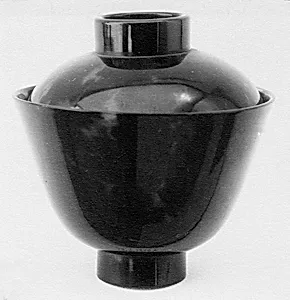
Medium
Tortoise shell
Dimensions
H. 3 1/4 in. (8.3 cm); Diam. 3 3/8 in. (8.6 cm)
Classification
Shell
Culture & Period
China · Qing dynasty (1644–1911)
Department
Asian Art
Museum
Metropolitan Museum of Art, New York, NY
Credit
Purchase by subscription, 1879
Accession Number
79.2.1379a, b
Rights
Public Domain
Art Historical Context
This exquisite *Cup with Cover*, crafted from tortoiseshell in 19th-century China during the Qing dynasty (1644–1), stands as a testament to the era's mastery of natural materials. Measuring just 3¼ inches (8.3 cm) in height and 3⅜ inches (8.6 cm) in diameter, petite scale suggests it was designed for intimate, personal use—perhaps as a snuff cup or tea vessel for elite scholars and officials. Tortoiseshell, sourced from the hawksbill sea turtle, was heated and molded into its graceful form, prized for its warm, translucent glow that mimics jade or amber, evoking the natural world's elegance. In Qing China, such objects embodied luxury and refinement, reflecting the dynasty's flourishing trade in exotic materials and sophisticated craftsmanship. Artisans exploited tortoiseshell's pliability to create seamless, lidded designs without visible joins, showcasing technical virtuosity. These cups were status symbols, often carried in sleeves or pouches, blending functionality with artistry in the grand tradition of Chinese decorative arts. Acquired by The Metropolitan Museum of Art through a public subscription in 1879, this rare survivor highlights early Western fascination with Qing treasures. Today, it invites us to ponder the delicate balance of beauty, nature, and human ingenuity in imperial China.