
Cylinder
Unknown Artist
7th century or earlier
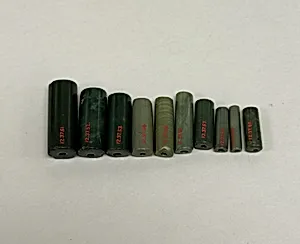
Medium
Green jasper
Dimensions
L. 3/4 in. (1.9 cm) - 1 3/8 in. (3.5 cm) for 12.37.51-60
Classification
Jewelry
Culture & Period
Japan · Kofun period (ca. 300–710)
Department
Asian Art
Museum
Metropolitan Museum of Art, New York, NY
Credit
Rogers Fund, 1912
Accession Number
12.37.51
Rights
Public Domain
Art Historical Context
Nestled in the Metropolitan Museum of Art's Asian Art collection, this set of delicate green jasper cylinders (ion 12.37.51-60) hails from Japan's Kofun period (. 300–710 CE), a time of monumental tomb-building and emerging centralized power. Measuring just 3/4 to1 3/8 inches in length, these petite jewels were crafted as beads for elite adornment—likely strung into necklaces, hair, or ceremonial sashes. Acquired through the Rogers Fund in 2, they offer a glimpse into ancient Japan's sophisticated lapidary arts. Green jasper, a prized semi-precious stone, was meticulously carved into these smooth, tubular forms, showcasing the era's advanced stoneworking techniques influenced by continental Asian exchanges via Korea and China. The Kofun period, named for its massive keyhole-shaped burial mounds (kofun), saw the rise of warrior elites whose tombs brimmed with such status symbols, signaling wealth and spiritual potency. These cylinders, dating to the 7th century or earlier, reflect a blend of aesthetic refinement and ritual importance, bridging Yayoi agricultural roots with the dawn of imperial Japan. Today, they captivate as tangible links to a mysterious past, where everyday elegance met otherworldly beliefs—perfect for pondering the lives of those long-ago wearers.