
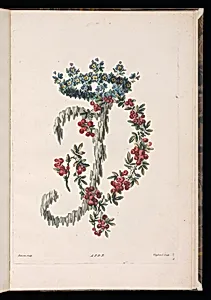
Decorative Monogram Design
ca. 1780
Classification
ornament
Department
Smithsonian Collection
Museum
Smithsonian American Art Museum
Credit
Purchased for the Museum by the Advisory Council
Accession Number
1921-6-401-6
Rights
Public Domain
About this artwork
Research in Progress
Art Historical Context
Pierre Ranson's *Decorative Monogram Design created around 1780, captures the refined elegance of late 18th-century French ornamental art. Born in 1736, Ranson was a skilled French designer whose work flourished during the opulent final years of the Ancien Régime, just before the French Revolution transformed European aesthetics. This piece, now housed in the Smithsonian American Museum's collection, reflects the era's passion for personalized decoration, where monograms served as symbols of identity, status, and craftsmanship on everything from furniture and silverware to architecture. Classified as an ornament and purchased by the museum's Advisory Council, the design showcases Ranson's expertise in intertwining letters with graceful flourishes—a hallmark of French decorative traditions. Though the exact medium awaits further research, such works often employed delicate lines suited for engraving, printmaking, or pattern books, influencing artisans across Europe and early America. Its presence in an American collection underscores the transatlantic exchange of design ideas during this pivotal time. Visitors will appreciate how this understated gem reveals the artistry behind everyday luxury, blending functionality with visual delight in a pre-industrial age of handmade splendor. Ongoing research promises even deeper insights into its creation and legacy.