
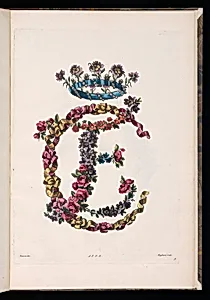
Decorative Monogram Design
ca. 1780
Medium
ornament
Classification
ornament
Department
Smithsonian Collection
Museum
Smithsonian American Art Museum
Credit
Purchased for the Museum by the Advisory Council
Accession Number
1921-6-401-9
Rights
Public Domain
About this artwork
Research in Progress
Art Historical Context
Pierre Ranson’s “Decorative Monogram Design,” created around 1780, offers a glimpse into the refined ornamental tastes of late eighteenth-century France. As a French artist active during the reign of Louis XVI, Ranson specialized in elegant patterns that blended lettering with delicate flourishes. This piece, classified simply as “ornament,” likely served as a model for craftsmen working in textiles, metalwork, or furniture, where personalized monograms added a touch sophistication to everyday objects. The work reflects the transitional moment between the exuberant curves of Rococo and the emerging restraint of Neoclassical design. Monograms were fashionable among the aristocracy and rising bourgeoisie turning initials into artistic statements that conveyed identity and status. Though research on this specific design is ongoing, its presence in the Smithsonian American Art Museum collection highlights the enduring appeal of such decorative prints, which preserved ephemeral trends for future generations of artists and historians. Purchased by the museum’s Advisory Council, the piece underscores how even small ornamental studies contribute to our understanding of 18th-century visual culture. Visitors can appreciate the meticulous line work and balanced composition that made Ranson’s patterns both practical and beautiful.