
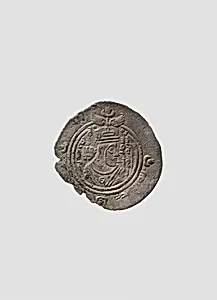
Dirhem
Unknown Artist
ca. 689–90 CE
Medium
Silver
Dimensions
1 3/16 in. (3 cm)
Classification
Metalwork-Coins-Inscribed
Culture & Period
Islamic · early Islamic
Department
Ancient Near Eastern Art
Museum
Metropolitan Museum of Art, New York, NY
Credit
Rogers Fund, 1936
Accession Number
36.30.302
Rights
Public Domain
Tags
About this artwork
This Dirhem dating to ca. 689–90 CE exemplifies the artistic traditions of Islamic, early Islamic, Iran. Created in silver, the work demonstrates technical mastery of materials and processes characteristic of Islamic, early Islamic, Iran artisans. As part of the Metropolitan Museum of Art's Ancient Near Eastern Art, this piece contributes to our understanding of historical artistic production. The work's 1 3/16 in. (3 cm) and material qualities reflect the aesthetic values and technical capabili...
Art Historical Context
This exquisite silver dirhem, minted around 689–90 CE in early Islamic Iran, offers a glimpse into the dawn of Islamic coinage during the Umayyad Caliphate. Measuring just 1 3/16 inches (3 cm) in diameter, this tiny treasure exemplifies the technical prowess of ancient Near Eastern artisans, who precise inscriptions and profiles—likely depicting male figures—on both sides. As part of the Metropolitan Museum Art's Ancient Near Eastern Art collection (Rogers Fund, 1936), it showcases the transition from pre-Islamic Sasanian and Byzantine influences to distinctly Islamic designs. Crafted from high-quality silver, the dirhem reflects the era's advanced metalworking techniques, essential for circulating currency across vast trade networks from Iran to the Mediterranean. These coins were not mere money but symbols of caliphal authority, blending artistry with propaganda through elegant calligraphy and symbolic imagery. Today, this piece illuminates the cultural vibrancy of early Islam, revealing how everyday objects bridged elite patronage and popular life, fostering economic and artistic exchange in a rapidly expanding empire. A small artifact with big stories!