
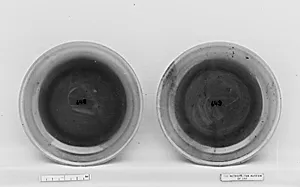
Dish
Unknown Artist
Medium
Nephrite, sage-green
Dimensions
H. 1 in. (2.5 cm); Diam. 5 1/8 in. (13 cm)
Classification
Jade
Culture & Period
China · Qing dynasty (1644–1911), Qianlong period (1736–95)
Department
Asian Art
Museum
Metropolitan Museum of Art, New York, NY
Credit
Gift of Heber R. Bishop, 1902
Accession Number
02.18.649
Rights
Public Domain
Art Historical Context
This exquisite sage-green nephrite jade dish hails from China's Qing dynasty, specifically the Qianlong period (6–95), a age of imperial artistry under Emperor Qianlong, a passionate collector and patron of the arts. Measuring just 1 inch high and 5⅛ inches in diameter, shallow, elegant form exemplifies the refined craftsmanship of palace workshops, where master carvers transformed the tough, resilient nephrite—often called "jade"—into objects of transcendent beauty. Nephrite, prized for its luminous translucency and sage-green hue evoking nature's serenity, held profound cultural significance in China. Symbolizing purity, immortality, and imperial virtue, jade was reserved for the elite, used in ritual vessels, scholar's objects, and decorative arts. Carving such a hard stone demanded exceptional skill: artisans meticulously incised, polished, and hollowed it to achieve a flawless, mirror-like surface that catches the light, highlighting the material's subtle veining. A gift to the Metropolitan Museum of Art from Heber R. Bishop in 1902, this dish invites us to marvel at Qianlong-era ingenuity, bridging ancient reverence for jade with timeless aesthetic grace. Pause and admire its quiet perfection!