
Dolls (Tate-bina)
19th century
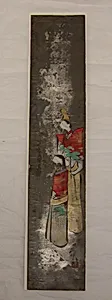
Medium
Painting; ink and color on paper (tanzaku)
Dimensions
14 x 2 1/2 in. (35.6 x 6.4 cm)
Classification
Paintings
Culture
Japan
Department
Asian Art
Museum
Metropolitan Museum of Art, New York, NY
Credit
Funds from various donors, by exchange, 1956
Accession Number
56.124.5
Rights
Public Domain
Tags
Art Historical Context
Shibata Zeshin (1807–1891), a master of both lacquerware and painting in late 19th-century Japan, *Dolls (Tate-bina)* as a delicate ink and color painting on paper in the narrow tanzaku—measuring just 14 x 2½ inches. This vertical strip, traditionally used for poetry or elegant motifs, showcases Zeshin's finesse in capturing everyday subjects with poetic grace. His style bridged Edo-period traditions and emerging Meiji influences, blending meticulous ink lines with subtle colors to evoke whimsy and refinement. The artwork depicts *tate-bina*, tall standing hina dolls central to Japan's Hinamatsuri (Girls' Day) festival on March 3rd. These dolls, arranged in tiers representing imperial court figures, symbolize prayers for girls' health, happiness, and prosperity. Zeshin's portrayal immortalizes this cherished cultural ritual amid Japan's transition from isolation to modernization, highlighting the enduring role of seasonal traditions in daily life. Housed in the Metropolitan Museum of Art's Asian Art department, this piece exemplifies the intimacy of Japanese scroll paintings, inviting viewers to appreciate the dolls' serene expressions and vibrant attire up close. A testament to Zeshin's versatility, it reminds us how art preserves fleeting festivals in timeless beauty.
About the Artist
Shibata Zeshin · 1807–1891
Japanese, 1807–1891