
Double-Barreled Flintlock Fowling Piece
c. 1820
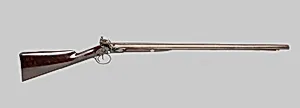
Medium
Steel, iron, walnut, and platinum
Dimensions
L. 120.6 cm (47 1/2 in.) Barrel L. 81 cm (31 7/8 in.) Caliber .68 Wt. 6 lbs. 10 oz.
Classification
firearm-long gun
Department
Applied Arts of Europe
Museum
Art Institute of Chicago
Accession Number
116698
Rights
Public Domain
Art Historical Context
Crafted around 1820 by the renowned English gunsmith Joseph M, this double-barre flintlock fowling exemplifies the pinnacle of early 19th-century firearm design. Measuring 120.6 cm in length with 81 cm barrels .68 caliber, it weighs just over 6 pounds, balancing power and portability for bird hunting. Made from durable steel and iron for the barrels and mechanisms, walnut for elegantly shaped stock, and rare platinum—likely for fine inlays or accents—this shotgun was both a practical tool and a luxury object, reflecting the era's fusion of engineering and artistry. Joseph Manton, often called the "father of the modern shotgun," revolutionized sporting guns from his London workshop, serving elite clients like nobility and royalty. His flintlock system, sparked by flint striking steel to ignite gunpowder, represented cutting-edge technology before percussion caps dominated in the 1830s. The double barrels allowed for two quick shots, ideal for fast-flying game, while intricate engravings and wood checkering showcased gunsmiths' sculptural skill, elevating these weapons to applied art status. Housed in the Art Institute of Chicago's Department of Applied Arts of Europe, this piece highlights British sporting culture's cultural prestige. Owning a Manton gun signaled wealth and prowess, blending functionality with ornamental beauty in a time when hunting was a gentleman's pursuit. Visitors, imagine the thrill of its crisp report echoing across English moors!