
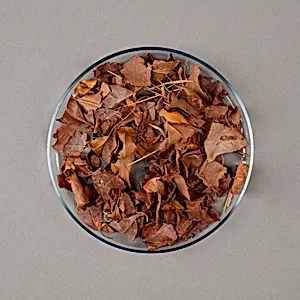
Floral Garland Fragments
Unknown Artist
ca. 1050 B.C.
Medium
Persea leaves, lotus petals, palm leaves
Dimensions
various
Classification
Garland, Nauny
Period
Third Intermediate Period
Department
Egyptian Art
Museum
Metropolitan Museum of Art, New York, NY
Credit
Rogers Fund, 1930
Accession Number
30.3.33b
Rights
Public Domain
Art Historical Context
These delicate *Floral Garland Fragments*, to around 1050 B.C. from Egypt's Third Intermediate Period (asty 21), offer a rare glimpse into the ephemeral beauty of ancient rituals. Crafted from persea leaves, lotus petals and palm leaves—natural materials that seldom survive millennia—these pieces were likely part of garlands worn or offered during funerals or temple ceremonies. Preserved by Egypt's arid climate, they now reside in the Metropolitan Museum of's Egyptian Art Department, through the Rogers Fund in 193. In Dynasty 21, a time of political fragmentation following the New Kingdom's grandeur, such organic adornments symbolized renewal and divine favor. The lotus, unfolding from murky waters, evoked rebirth and the sun god Ra, while persea leaves honored Osiris, lord of the afterlife. Palm fronds added resilience and eternity Artisans skillfully arranged these elements without metal tools, relying on weaving and natural cohesion, highlighting Egyptian mastery of perishable media. Today, these fragments captivate visitors, bridging us to the sensory world of ancient Egyptians—where fragrance and fragility met the eternal. Though varied in size, they whisper of joyous processions and profound beliefs, reminding us how nature itself was art in pharaonic culture.