
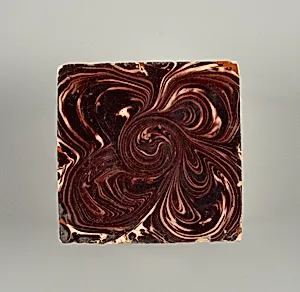
Tile
18th century
Medium
ceramics
Classification
ceramics
Department
Smithsonian Collection
Museum
Smithsonian American Art Museum
Credit
Smithsonian American Art Museum
Accession Number
1980-8-1
Rights
Public Domain
About this artwork
Research in Progress
Art Historical Context
This unassuming yet evocative 18th-century ceramic, housed in the Smithsonian American Art's ceramics collection, invites visitors to ponder the artistry of everyday life in colonial America. Created by an unknown artisan, it represents the anonymous craftsmanship that defined much of early American decorative arts, where skilled potters produced functional objects infused with subtle beauty. Ceramics like this tile were a cornerstone of 18th-century household design, often used to embellish fireplaces, chimneys, or walls for both protection against soot and aesthetic appeal. The medium's significance lies in its accessibility—fired clay, molded and glazed—allowing for durable, colorful pieces that withstood daily use. Influenced by European imports like Dutch delft wares, American tiles adapted these techniques to local clays and kilns, marking the rise of a nascent domestic industry. Though research on this specific piece is ongoing, it embodies the cultural fusion of utility and ornament in pre-Revolutionary America, reminding us how ordinary objects carried the era's spirit of ingenuity and resilience. (178 words)
About the Artist
Unknown
The artist designated as "Unknown" in our virtual museum's collection exemplifies a poignant chapter in art history: creators whose identities have faded into obscurity despite the enduring power of their work. With only one known artwork attributed to them in our holdings, this figure represents countless anonymous hands that shaped visual culture across centuries. Museums worldwide, including th...