
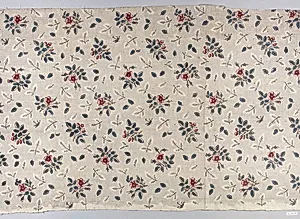
Floral print
1770–75
Medium
Linen
Dimensions
L. 31 x W. 17 inches 78.7 x 43.2 cm
Classification
Textiles-Printed
Culture
French, Jouy-en-Josas
Department
European Sculpture and Decorative Arts
Museum
Metropolitan Museum of Art, New York, NY
Credit
Gift of William Sloane Coffin, 1926
Accession Number
26.265.89a
Rights
Public Domain
Tags
Art Historical Context
Step into the blooming elegance of 18th-century with this charming *Floral print* from Oberkampf Manuf in Jouy-en-Josas, created between 1770 and 1775. Produced on fine linen fabric measuring 31 x inches, this textile exemplifies the manufactory's mastery of copperplate printing, a revolutionary technique that allowed for intricate, multi-color floral designs on large scales. Founded by Christophe-Philippe Oberkampf, workshop became synonymous with "toiles dey," lightweight printed cloths that captured the refined tastes of the ancien régime. Historically, these prints emerged during the late Rococo and early Neoclassical periods, blending delicate natural motifs with technical innovation. Linen, prized for its durability and breathability, made such pieces ideal for fashionable dresses, upholstery, and table linens, adorning homes from Versailles to bourgeois salons. The Oberkampf Manufactory's output revolutionized decorative arts, exporting vibrant florals across Europe and influencing global textile design. Today, this gift to the Metropolitan Museum of Art from William Sloane Coffin in 1926 offers a tactile glimpse into French luxury. Imagine draping it over a settee—its vivid flowers evoke spring gardens, a testament to how everyday fabrics became canvases for artistry and cultural prestige.