
Flounce
Unknown Artist
late 17th century
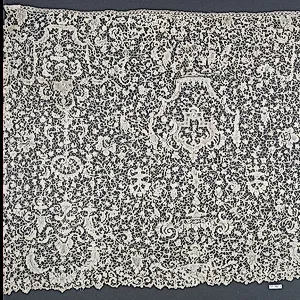
Medium
Needle lace, Point de France
Dimensions
L. 120 x W. 20 1/4 inches (304.8 x 51.4 cm)
Classification
Textiles-Laces
Culture
French
Department
European Sculpture and Decorative Arts
Museum
Metropolitan Museum of Art, New York, NY
Credit
Gift of Mrs. Albert Blum, 1953
Accession Number
53.162.1
Rights
Public Domain
Tags
Art Historical Context
Step into the opulent world of late 17th France with *Flounce*, a stunning example of Point de France needle lace. exquisite textile, measuring an impressive 120 by 20¼ inches, was crafted as a decorative border or ruffle—perfect for adorning lavish gowns, furnishings, or ecclesiastical vestments during the height of the Baroque era under Louis XIV. Donated to the Metropolitan Museum Art in 1953 by Mrs. Albert Blum, it exemplifies the pinnacle of French decorative arts, blending intricate craftsmanship with royal prestige. Point de France, developed in the 1660s, was a luxurious needle lace technique protected by Colbert's royal decrees to rival Italian imports. Artisans meticulously stitched fine linen threads into a delicate mesh ground, building motifs through complex buttonhole stitches, picots, and raised elements. Here, blooming flowers and symbolic insignia motifs evoke the era's love for nature-inspired ornamentation and heraldic emblems, showcasing the lacemaker's virtuosity in creating three-dimensional effects from thread alone. Though the artist remains unknown, this flounce highlights lace's status as a status symbol—more valuable than gold by weight. It transports us to Versailles' gilded halls, where such pieces signaled wealth and refinement, inviting you to appreciate the hidden artistry in every tiny loop and petal.